
Antigua is one of the safer Caribbean destinations for tourists. Most visitors, including solo travellers, families and sailing crews experience trouble-free stays. But like any destination, it pays to be informed. This guide covers what you actually need to know about safety in Antigua: the real risks, the sensible precautions, the things that are genuinely not worth worrying about, and the specific advice that applies to the English Harbour area where Kittyhawk is based.
We share this information with guests before every stay — because knowing the basics means you can relax and get on with enjoying the island.
1. Is Antigua Safe? What The Evidence Shows
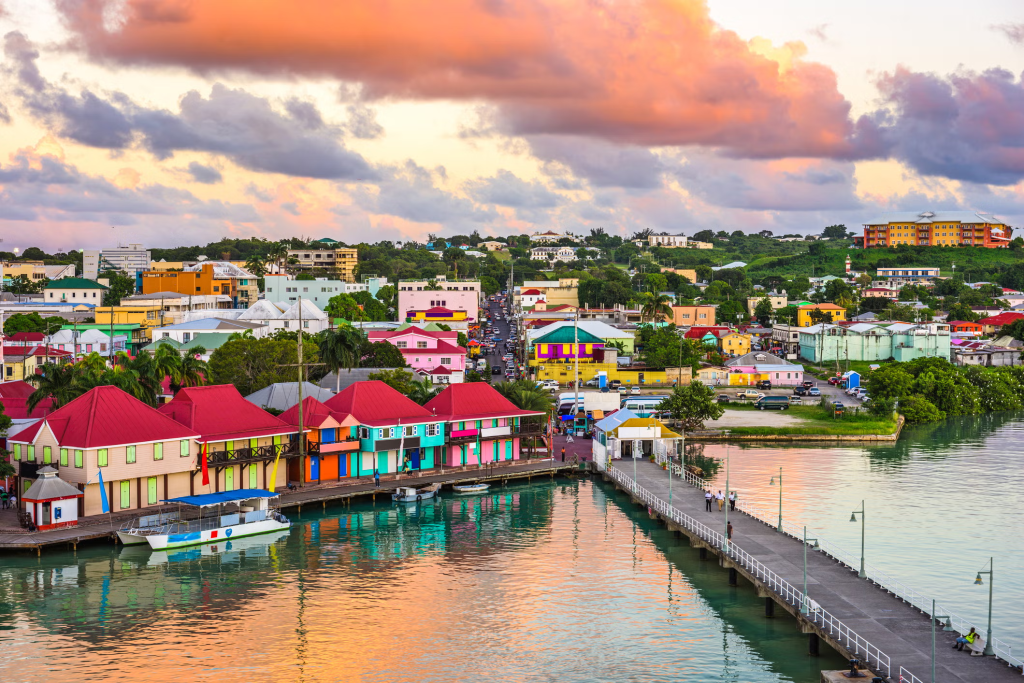
Antigua and Barbuda is generally considered one of the safer Caribbean nations for tourists. The UK Foreign, Commonwealth and Development Office (FCDO) welcomes travel to Antigua. For those wondering whether it is safe to travel to Antigua for a villa holiday or family trip, the answer is yes, with the same awareness you’d apply anywhere else. Over 300,000 visitors travel to the island annually, and the vast majority experience no problems.
There are no known patterns of organised crime or tourist targeting in Antigua as of 2026. The Royal Police Force of Antigua and Barbuda has increased its patrols in tourist zones. The sailing community that centres on English Harbour including international crews, long-term expats and repeat visitors creates a tight-knit, watchful community that makes the area feel notably safe.
The sensible approach is to be aware, take standard precautions and get on with enjoying your Antigua holiday.
2. What To Know – Real Risks Worth Being Aware Of
Petty Theft:
The most common issue affecting visitors to Antigua is petty theft like pickpocketing and theft from unattended belongings. This is most prevalent in St. John’s and busy tourist areas. Keep valuables secure, don’t leave bags unattended on beaches and avoid displaying expensive jewellery, cameras or phones unnecessarily.
Beaches After Dark:
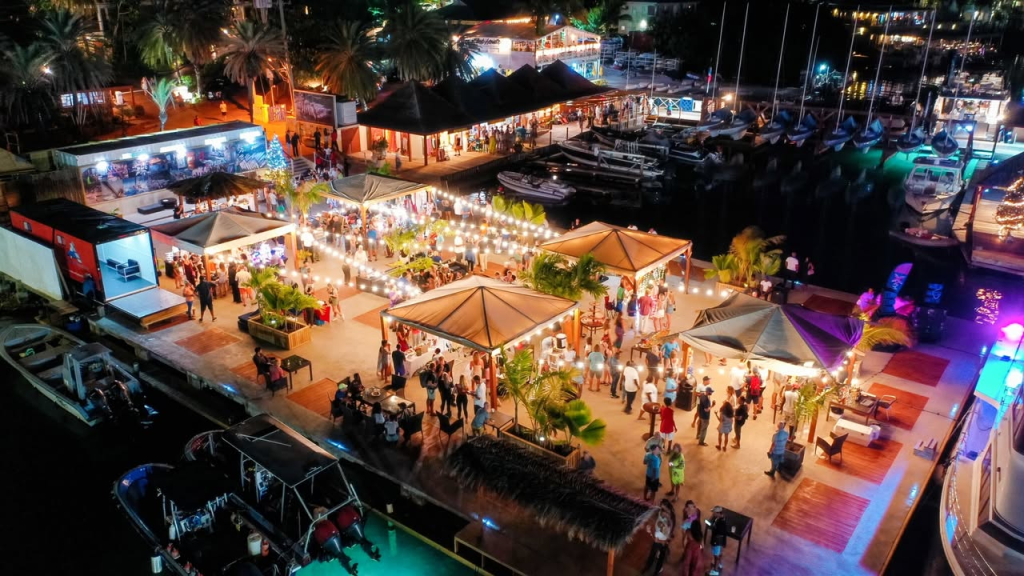
The FCDO specifically advises avoiding isolated areas, including beaches, particularly after dark. This is standard Caribbean travel advice. Stick to well-lit, populated areas in the evenings. In English Harbour, the dockyard front, Dockyard Drive and the main restaurant and bar areas are busy and well-lit throughout the evening, the area has a genuine community feel at night.
Taxis:
Only use licensed taxis. Unlicensed operators exist and should be avoided. Licensed taxis in Antigua are not metered, so agree on a fare before you get in. Reputable taxi drivers are well known to local restaurants and bars and can be recommended by the team at Kittyhawk or any English Harbour venue.
Drugs:
It is illegal to possess drugs in Antigua. Penalties are severe for all drug offences. Do not carry luggage through customs on behalf of anyone else.
Smoking In Public:
It is illegal to smoke in public places in Antigua and you may face arrest for doing so. This applies to all types of smoking, in all public outdoor spaces.
Camouflage Clothing:
It is illegal for anyone to wear camouflage clothing in Antigua. This law is actively enforced and applies to tourists. Leave all military-pattern clothing at home.
3. What To Avoid – Practical Precautions
Knowing what to avoid in Antigua is straightforward, the same common-sense safety tips that apply to any travel destination cover the vast majority of situations you’ll encounter.
On The Beach:
- Never leave bags, phones, wallets or valuables unattended while swimming.
- Don’t take expensive jewellery to the beach.
- Avoid deserted beaches after dark.
- Be cautious of strong currents, not all beaches have lifeguards, and the FCDO notes currents can be deceptively strong.
On The Roads:
- Driving is on the left in Antigua.
- Roads can be poorly maintained, particularly in rural areas.
- Avoid driving at night where possible, road lighting is limited outside of St. John’s and English Harbour.
- Do not drink and drive, enforcement is real and penalties are significant.
Around St. John’s:
- Be alert in crowded areas, markets and near the cruise port, these are the most common locations for pickpocketing.
- Keep bags close and avoid displaying expensive items.
4. What Not To Worry About – Putting Risks In Perspective
Violent Crime Against Tourists:
Violent crime against tourists is rare in Antigua, and especially rare in English Harbour. The island’s economy depends heavily on tourism and the community takes visitor safety seriously. The safety tips in this guide are precautionary, most visitors to Antigua complete their trip without encountering any safety issue.
Terrorism:
The FCDO notes there is no recent history of terrorism in Antigua and Barbuda. The same standard global awareness advice applies here as to any destination. There is no specific terrorism threat to Antigua as a travel destination.
Safety At English Harbour Specifically:
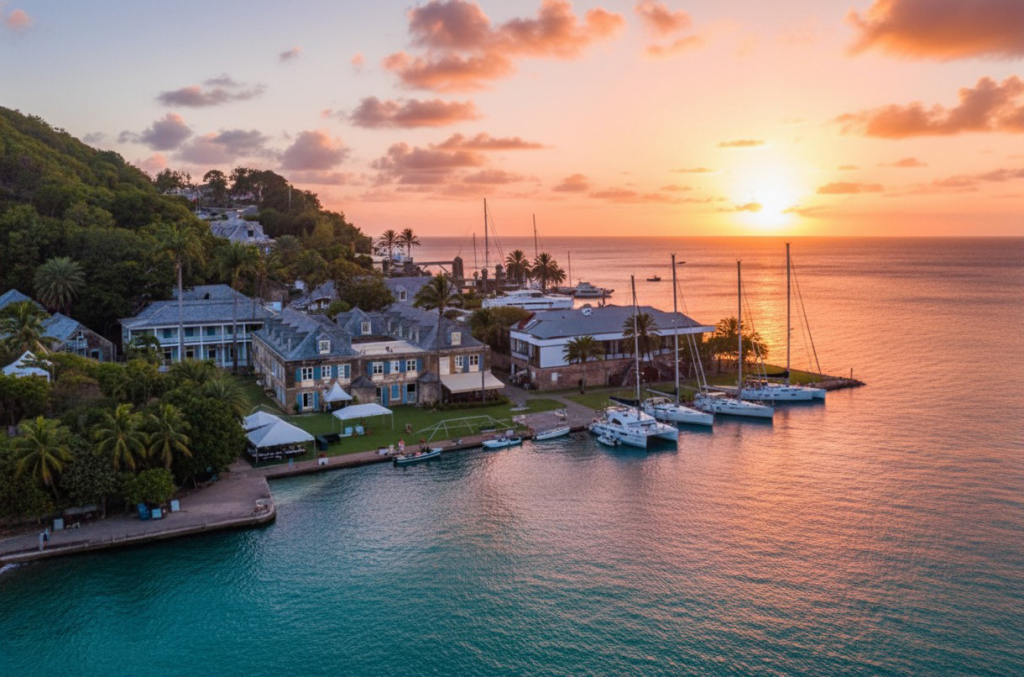
English Harbour is one of the safest areas on the island. The combination of the sailing community, international residents, active marina operations and well-established restaurants and bars creates an environment that is watchful and welcoming. Walking between the dockyard, Dockyard Drive, Pigeon Point and the main bars in the evening is a normal part of daily life here. For everything to see, do and eat in the area, read our English Harbour guide.
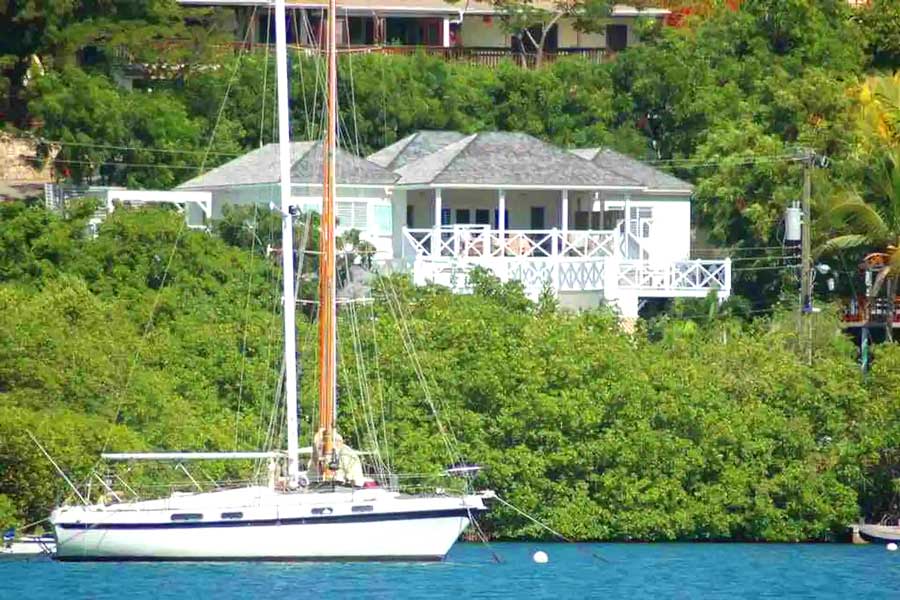
Kittyhawk sits at the heart of this community; directly opposite the dockyard, with a private pool, an enclosed garden and a jetty. Guests have immediate access to the most active and well-monitored area of English Harbour on foot.
Solo Travel In Antigua:
Antigua is considered safe for solo travellers, including solo female travellers, who take standard precautions. Avoid isolated areas alone at night, use licensed taxis and stay aware of your surroundings. The English Harbour community is tight-knit and welcoming. Solo visitors quickly become familiar faces, and the line between visitor and regular disappears faster than most expect.
Family Safety:
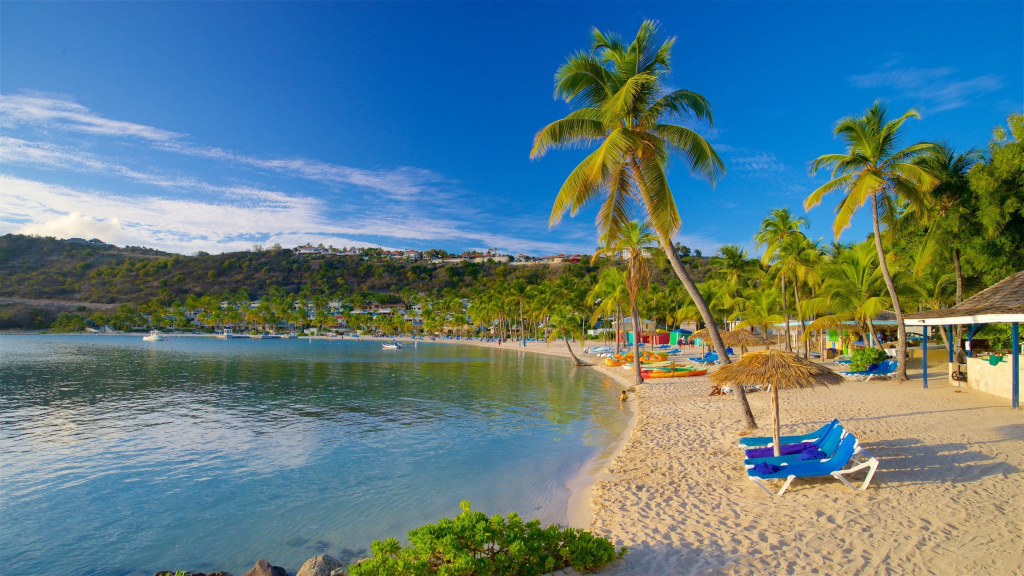
Antigua is well suited to families on a Caribbean holiday. The safe beaches around English Harbour – Pigeon Point and Galleon Beach – are calm, well-used and ideal for children during the day. Restaurants, beach bars and the national park are all family-friendly. Supervision at the water is always recommended, currents can be stronger than they appear, particularly outside the main bay areas.
5. Health and Medical Care
Medical Facilities:
The main public hospital is Mount St. John’s Medical Centre in St. John’s, which provides emergency and routine care. Private clinics offer better facilities and shorter wait times. Medical facilities in Antigua are adequate for most situations, serious conditions may require medical evacuation to a nearby island or to North America.
Travel Insurance:
Comprehensive travel insurance is essential for any Antigua travel. Make sure your policy covers medical evacuation, water sports if you’re planning to kayak, snorkel or paddleboard, and hurricane-related disruption if visiting between June and November.
Mosquitoes and Dengue:
There is a risk of dengue fever in Antigua; a viral infection spread by mosquitoes that feed primarily during daytime hours. A dengue vaccine (QDENGA) is now authorised by the European Medicines Agency for travellers to endemic areas and is available through UK travel clinics. When you are here use insect repellent, particularly in the early morning and around dusk, and wear long sleeves if spending time near vegetated areas.
Sun and Heat:
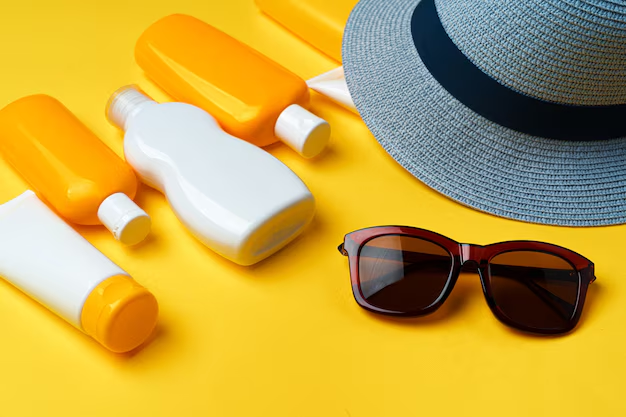
The Caribbean sun is strong year-round and significantly stronger than most visitors expect, even on overcast days. High-SPF reef-safe sunscreen, a wide-brimmed hat and plenty of water are essential. Heatstroke and sunburn are the most common health issues affecting tourists on an Antigua holiday, both easily avoided with basic precautions.
Water:
Tap water in Antigua is treated but not reliably safe to drink. Most visitors and residents use bottled or filtered water. Refill from filtered sources at restaurants and bars.
6. Laws And Local Customs Worth Knowing
Dress Codes:
Beyond the camouflage clothing prohibition, Antigua has no unusual dress code requirements for tourists. Beachwear is appropriate at the beach and beach bars. Island casual, a step up from swimwear, is the norm at English Harbour restaurants in the evening.
Cultural Norms:
Antiguans are warm and direct but appreciate basic courtesy. A quick “good morning” or “good afternoon” before asking for directions or service is expected and appreciated — launching straight into a request without a greeting will be noticed.
7. Safety Summary For English Harbour Visitors
For guests staying at Kittyhawk, the practical summary is straightforward:
- Walk freely in the dockyard area, Dockyard Drive and the main English Harbour restaurant and bar strip during the day and evening. It is a safe, well-populated area with a genuine community feel.
- Use licensed taxis for trips to St. John’s, Shirley Heights and beach days further afield. The villa team can recommend reliable operators.
- Secure valuables in the villa safe when not in use.
- Avoid deserted beaches after dark, Pigeon Point and Galleon Beach are daytime destinations.
- Carry cash for taxis and beach bars, most bars are cash-only.
- Book travel insurance before arriving, ensure it covers water sports and, if visiting in the wet season.
English Harbour is a place where you can genuinely relax. The vast majority of visitors, of all types, complete their stay without a single safety concern. The risks are manageable, and this guide gives you everything you need to keep it that way.
Browse Kittyhawk and check availability for your Antigua holiday →
Final Thoughts
Safety in Antigua is not something that should dominate your planning. It’s a destination where basic awareness goes a long way, the same common sense that applies anywhere: secure your valuables, use licensed transport, avoid isolated areas after dark and book comprehensive travel insurance.
That covers the Antigua travel advice you need. Now plan the rest of your trip. For what to do, where to eat and the best time to visit, read our complete travel guides and when you’re ready to book your stay at Kittyhawk, we’re ready for you.