
Antigua has one of the most reliable climates in the Caribbean. With an average of 2,900 hours of sunshine per year, temperatures that rarely drop below 24°C or exceed 32°C, and trade winds that keep the heat comfortable year-round, it’s a destination where the weather works in your favour in almost every month. This guide covers what the weather in Antigua is actually like — month by month, season by season — with practical detail on temperatures, rainfall, sea conditions, humidity and the best times to visit, so you can plan your Antigua travel with confidence.
At Kittyhawk in English Harbour, we see every season up close. Here is the detail you need to plan your trip.
1. Antigua’s Climate: The Basics

Antigua has a tropical marine climate, warm, breezy and sunny throughout the year, moderated by the northeast trade winds that blow steadily across the island in every season. These trade winds strengthen through the summer months and ease slightly in winter, keeping the heat index and humidity at comfortable, manageable levels year-round.
The island has two broad seasons:
Dry Season (December – April):
The cooler, drier and breezier half of the year. Antigua temperatures average between 25°C and 28°C during the day, dropping to around 22–24°C at night. February and March are the driest months, lowest rainfall and fewest rainy days of the year. Sunshine averages 8–9 hours per day throughout the dry season.
Wet Season (May – November):
Warmer, more humid and wetter, but rarely as wet as visitors expect. Antigua’s annual rainfall is significantly lower than most Caribbean destinations. Rain typically comes in short, heavy afternoon showers rather than sustained downpours, and most days still see several hours of sunshine. The rainiest month is October. Hurricane season runs from June 1st to November 30th, with named storms impacting the island on average every two to three years.
2. Month By Month: Antigua Weather Guide

January:
January is the coldest month in Antigua with an average temperature of 25°C. Day temperatures typically reach 27–28°C with nights around 22–23°C. Rainfall is low with most showers brief and passing quickly. Sunshine averages 9 hours per day. Sea temperature sits at around 26–27°C, warm and comfortable for swimming even in the coolest month. The trade winds are at their most noticeable in January, keeping conditions fresh and pleasant.
In summary: Antigua weather in January is breezy, sunny and warm, cooler than summer but still averaging 25°C. One of the most comfortable months to visit.
February:
The month with the lowest rainfall by volume. Sea temperatures around 26°C, still very comfortable for swimming and snorkelling. Rainfall averages just 38–40mm with only around 8 rainy days. Day temperatures reach 27°C with nights around 22°C. Sunshine averages 9 hours per day and trade winds are consistent and conditions are ideal for sailing. February is widely considered the single best month for Antigua weather.
In summary: Antigua weather in February is as good as it gets, lowest rainfall, nine hours of sunshine and ideal sailing winds. The peak month for beach and sailing holidays.
March:
March has the fewest rainy days of the year, around 7 days of rain, making it the driest month for uninterrupted Antigua sunshine. Temperatures begin to climb slightly, day highs reach 28°C with nights around 23°C. Sea temperature around 26°C. Sunshine averages 9 hours per day. Conditions are excellent for snorkelling and diving, with clear water and good visibility across the reefs and around the Pillars of Hercules at Galleon Beach.
In summary: Fewest rainy days of the year, excellent visibility in the water and strong sunshine. Ideal for outdoor activities.
April:
Temperatures rise to around 28–29°C during the day, with nights around 23–24°C. Rainfall increases slightly from March but remains low, around 50–60mm across the month. Sea temperature around 27°C. Sunshine averages 8–9 hours per day. April is one of the best months overall; dry season conditions with temperatures that feel genuinely warm from morning to evening. Antigua Sailing Week and the Classic Yacht Regatta both typically fall in April, filling English Harbour with yachts and activity.
In summary: Antigua weather in April combines dry season sunshine with genuinely warm temperatures and the island’s biggest sailing events. Book early.
May:
The transition month between dry and wet seasons. Temperatures average 28–29°C during the day. Rainfall increases around 80–100mm across the month but the pattern shifts to afternoon showers that clear quickly. Sea temperature rises to around 27–28°C. Sunshine averages 7–8 hours per day. The island is quieter than peak season, prices drop and the weather is still predominantly good.
In summary: Warm, mostly sunny with some afternoon showers. Prices drop and the island is quieter making it a strong value window.
June:
June is the hottest month in Antigua by average temperature at 28°C, and delivers the most daily sunshine hours of the year at 10, making it a surprisingly sunny month for those deciding when to visit Antigua on a budget. Day temperatures reach 29–30°C with nights around 24–25°C. Rainfall averages around 80–90mm. The official start of hurricane season, though June itself rarely produces severe weather. Sea temperature around 28°C. Despite the heat, the trade winds remain active, keeping conditions manageable.
In summary: Hot, sunny and humid. The start of the low season for prices, making it good value despite the heat.
July:
Day temperatures average 29–30°C with nights around 24–25°C. Rainfall increases to around 100mm across the month, with afternoon showers becoming more frequent. Sea temperature reaches 28–29°C. Antigua Carnival transforms St. John’s in late July, the island’s biggest annual cultural event, running 12 days of soca, mas bands and street parties. Humidity rises through the month.
In summary: Hot and humid with increasing rainfall. Worth visiting for Carnival, you gotta book early!
August:
The best month to swim in the sea is in August when the average sea temperature is 29°C. Day temperatures reach 30°C with nights around 25°C. Rainfall averages around 120–130mm, the second wettest month. Skies are often cloudy more than 60% of the time. Hurricane risk builds meaningfully through August, travel insurance is essential.
In summary: Warmest sea temperatures of the year. Higher rainfall and cloud cover, with real hurricane risk. Travel insurance essential.
September:
September is the most humid month of the year, dew points reach 25°C, which feels oppressive without air conditioning. Sea temperatures peak at around 29°C. Day temperatures average 29–30°C. Rainfall is high and hurricane risk is at its highest point in the annual cycle. Most businesses in English Harbour continue to operate but some reduce hours. This is a month for travellers who genuinely want the island to themselves. It delivers exactly that.
In summary: Peak hurricane season and high humidity. Warmest sea of the year. Only for travellers with comprehensive insurance, flexible plans and a taste for the quiet life.
October:
The wettest month in Antigua with an average of 101mm of rain. Day temperatures remain around 29°C. Sea temperature around 29°C, beginning to ease from the September peak. Humidity remains high. Hurricane risk remains elevated through October. Some accommodation and restaurants close temporarily. Prices are at their lowest, villa holiday rates in Antigua can be up to 40 percent below peak season.
In summary: The wettest month and peak hurricane risk. Lowest prices of the year. Comprehensive travel insurance and flexible arrangements are essential.
November:
The weather improves noticeably as the month progresses. Day temperatures average 27–28°C with nights around 23–24°C. Rainfall drops around 80–90mm. Sea temperature around 28°C, still warm and comfortable. The hurricane season officially ends on November 30th. By mid-November, English Harbour begins to wake up as the first winter arrivals come in and the social scene picks up.
In summary: The island wakes up again. Improving conditions, easing humidity and the dry season approaching with prices still at shoulder-season levels.
December:
The dry season returns. Day temperatures average 26–27°C with nights around 22–23°C. Rainfall drops to around 55–65mm. Sea temperature around 27°C. Sunshine averages 8 hours per day. The island comes alive for Christmas and New Year, English Harbour fills with arriving yachts and the dockyard area becomes genuinely festive. Accommodation prices rise sharply from mid-December.
In summary: The dry season is back. Festive atmosphere in English Harbour. Book well ahead for Christmas and New Year.
3. Antigua Weather By Activity
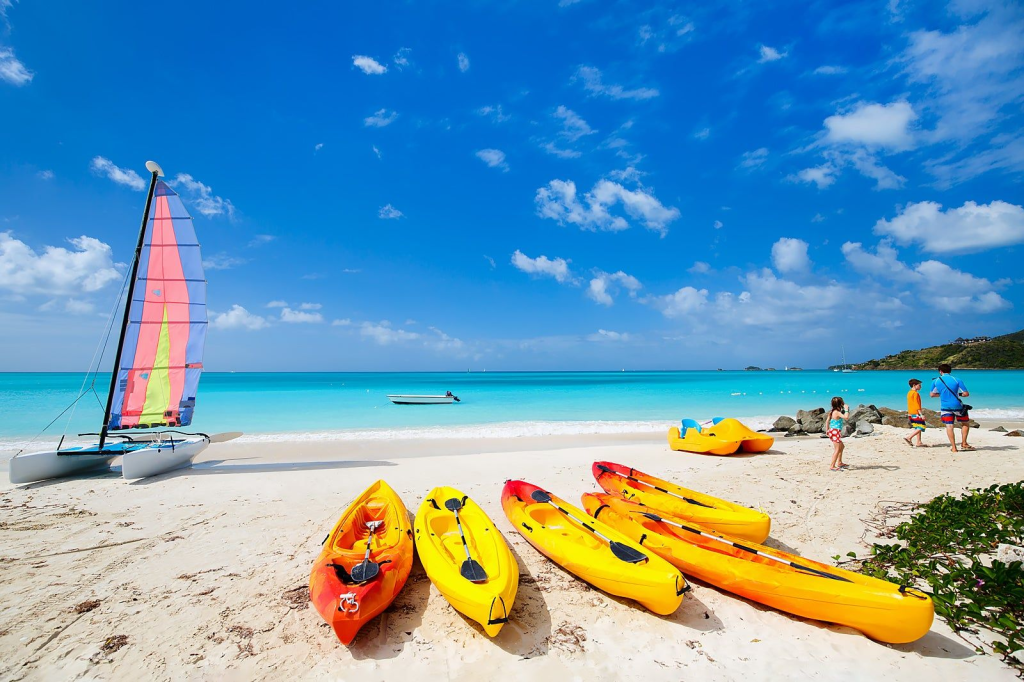
Best Weather For Swimming And Snorkelling:
The sea is warm and swimmable year-round, the Antigua sea temperature drops to around 26°C in February at its coolest, which remains excellent for swimming and snorkelling. For snorkelling, January through April offers the best water clarity and visibility, the dry season keeps sediment low and the reefs around Galleon Beach and the Pillars of Hercules are at their clearest. From Kittyhawk‘s private jetty, guests can kayak or paddleboard directly to snorkelling spots regardless of season.
Best Weather For Sailing:
February through April. The trade winds are consistent and strong, the seas are well-organised and the skies are largely clear. The RORC Caribbean 600 typically runs in February, the Classic Yacht Regatta in mid-April and Antigua Sailing Week in late April, all timed to coincide with the island’s best sailing conditions. From Kittyhawk’s private jetty, sailing crews can access the harbour directly and walk to the dockyard marinas in under two minutes.
Best Weather For Hiking And Sightseeing:
January through March. Cooler temperatures, lower humidity and reliable sunshine make these months ideal for hiking up to Shirley Heights, exploring the national park trails and visiting Nelson’s Dockyard. The Shirley Heights lookout is approximately 490 feet above the harbour, it feels significantly more comfortable to reach on foot in the dry season than in the summer heat.
Best Weather For Beach Holidays:
December through April for the most reliable sunshine and lowest rainfall. May and June are also strong options, it is predominantly sunny with lower prices and occasional afternoon showers that rarely last. The beaches around English Harbour, Pigeon Point and Galleon Beach, are sheltered and calm in every season.
Best Weather For Budget Travellers:
June through August offers the best combination of warm weather, warm seas and significantly lower accommodation rates. A villa holiday in Antigua during these months can cost 30–40 percent less than peak season, with the trade-off being higher humidity and more frequent afternoon showers. September and October carry the highest hurricane risk and require comprehensive travel insurance and flexible travel arrangements.
4. Practical Weather Information
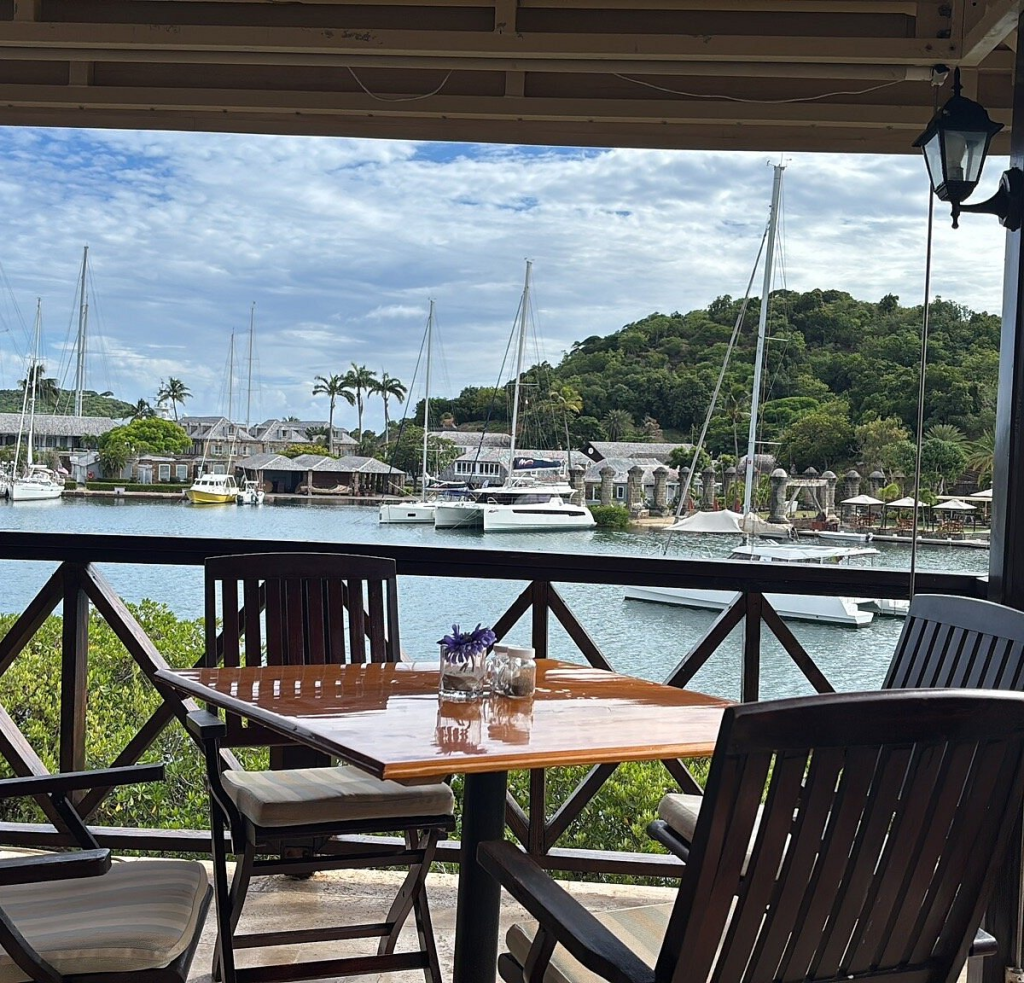
Rainfall:
Antigua rainfall is significantly lower than most Caribbean destinations, one of the island’s most important weather advantages. The southwest of the island receives approximately 1,300mm annually near Mount Obama. Around St. John’s, the figure is nearly 1,000mm. English Harbour, on the south coast, sits between these two. Rain comes mostly as short afternoon showers, rarely the all-day downpours that characterise wetter Caribbean islands.
Humidity:
Humidity is present year-round but is most manageable during the dry season when the trade winds are strongest. July through October is the most humid period. Air conditioning is widely available at restaurants, bars and accommodation — including at Kittyhawk — for the hottest months.
Trade Winds:
The northeast trade winds are one of Antigua’s most important weather features. They blow steadily in every season, easing slightly in the dry winter months and strengthening through the summer, lowering the perceived temperature and making even the hottest months more comfortable than the raw temperature suggests. For sailors, these winds are a primary draw, consistent, reliable and ideal for Caribbean sailing conditions.
UV Index:
The sun’s ultraviolet index peaks at 12 during the summer months, classified as extreme. High-SPF reef-safe sunscreen is essential year-round, not just in summer. Even in the dry season, when temperatures feel more moderate, UV levels are significantly higher than most visitors are used to.
Hurricane Season:
June 1st to November 30th. Antigua is more exposed than many visitors assume, named storms impact the island on average every two to three years. Travel insurance covering hurricane-related disruption is essential for any visit between June and November. For detailed guidance on when to visit relative to hurricane risk, read our complete guide to the best time to visit Antigua.
5. The Weather In English Harbour Specifically
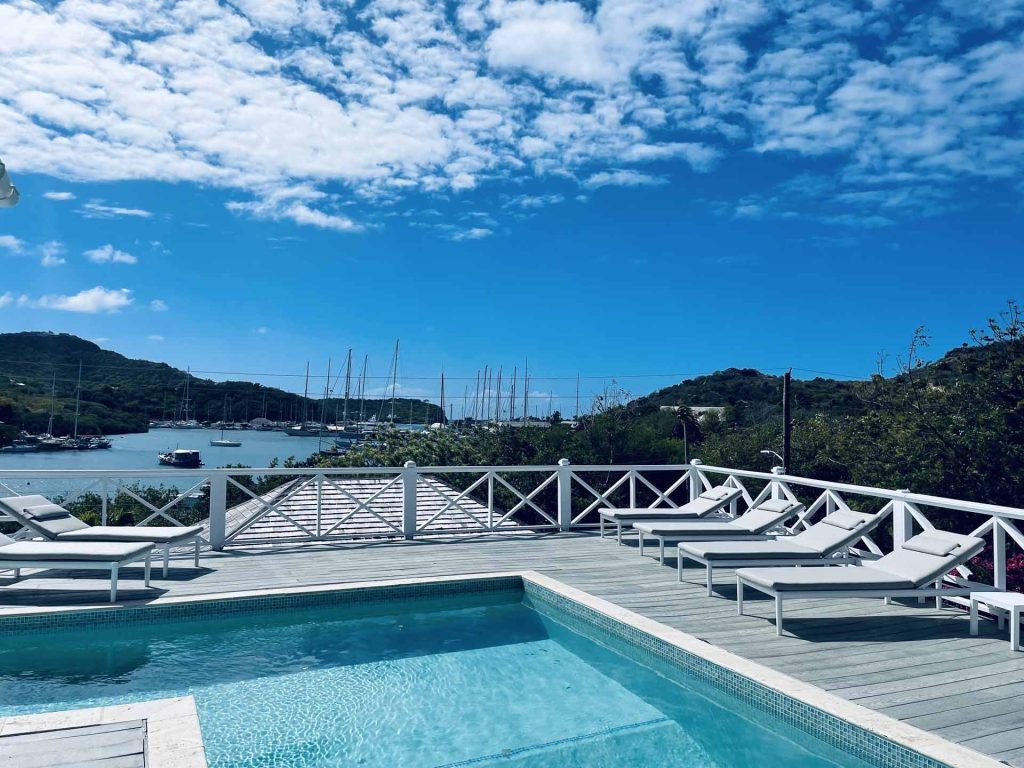
English Harbour sits on the south coast of Antigua, which tends to be slightly greener and more sheltered than the north and east coasts. The bay itself is one of the most naturally protected harbours in the Caribbean, surrounded on three sides by hills, which moderates conditions and gives the area a calmer, more sheltered feel than exposed stretches of the coastline.
In practical terms for Kittyhawk guests: the villa’s position directly opposite the dockyard means you have access to the water from the private jetty in every season. The pool is available year-round. The restaurants, beaches and hiking trails of English Harbour are walkable regardless of the month. Whatever the Antigua weather brings, the harbour view from the villa changes with every season, and every version of it is worth waking up to.
Browse Kittyhawk and check availability for your Antigua holiday →
Final Thoughts

Antigua’s weather is one of its strongest assets. The trade winds keep the heat manageable, the sunshine is consistent across every season, the sea stays warm from January through December and even the wet season rarely delivers the sustained rain that characterises wetter Caribbean destinations.
For a full breakdown of what each season offers in terms of events and things to do, and which months suit which type of traveller — read our guide to the best time to visit Antigua.
Whatever month you choose, the villa is ready and the harbour view is waiting.